

Stockton Garage Door Replacement & Maintenance Guide, Home Gate Repair
Your door groans at 6 a.m., the gate stalls at 6 p.m., and you’re wondering if today’s the day it quits. We get it. We’re Go Pro Garage—Stockton techs who make noisy, unsafe doors and finicky home gates quiet, safe, and good-looking. Expect clear costs, code-safe options, and honest advice on repair vs. replace. While you read, grab a free safety and estimate check—no pressure, just answers.
Stockton’s mix of triple-digit heat, Delta breeze dust, and foggy winter mornings is tough on doors and gates. Sun fades paint and hardens weather seals; dust coats sensors and grinds in tracks; fog adds moisture that rusts hardware. That’s why we lean on insulated steel panels, sealed bearings, heat-resistant lubricant, and battery-backed openers (units that still work during outages). Result: smoother movement, better curb appeal, and fewer surprise breakdowns.
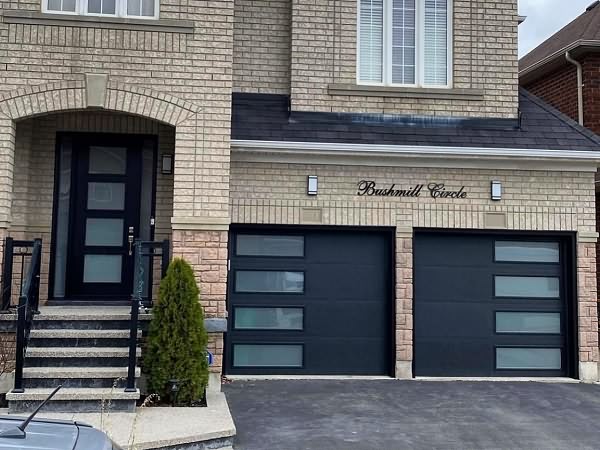
Stockton’s Heat, Dust, and Outages Shape Door and Gate Decisions
Ever notice your door sounds fine after lube but squeaks again a week later? Stockton’s heat spikes bake finishes, shrink weather seals, and thin cheap grease, so friction comes back fast. Delta breeze dust and farm pollen drift into tracks and sensors, making rollers gritty and eyes go “blinky.” Winter fog adds moisture that pits steel and corrodes electronics. And when Public Safety Power Shutoffs (PSPS—planned wildfire-prevention outages) hit, non-backup openers and gate operators stop cold. That mix ages equipment faster here, which is why we spec insulated steel, sealed bearings, and heat-rated lubricant.
Brookside: strong afternoon sun on west-facing doors—UV fades paint and hardens seals; HOAs often prefer wood-look steel that resists warping. Spanos Park: newer homes, attic heat above garages; insulated steel panels and nylon rollers cut noise 30–50% in rooms over the garage. Lincoln Village: older jambs and tracks; we often find surface rust and sagging hinges—struts and sealed rollers help a lot. Weston Ranch: wind and field dust clog photo eyes and gate tracks; sealed gate wheels and routine sensor cleaning prevent random reversals.
Now that you see what Stockton throws at your hardware, the next step is deciding whether to fix the symptoms or start fresh. We’ll weigh safety, age, and cost so you can choose: repair now, plan a replacement, or replace now.
Repair or Replace? A Safe, Stockton-Smart Decision Framework
Yesterday in Brookside, a door stuck halfway, the chain rattling like a bike. The week before, a Spanos Park panel took a basketball dent. Maybe your torsion spring snapped with a bang, sensors keep blinking, or the door drifts down when half open. Those symptoms mean different paths. Minor dents, dirty eyes (the safety sensors), and noisy but running openers often repair well. A broken torsion spring, frayed cable, or door off track? Stop using it and call us—we’ll make it safe first, then advise.
- Newer door, single dented section, tracks and hinges straight—panel swap is sensible.
- One broken torsion spring or lift cable, minimal rust—repair restores balance safely.
- Photo eyes dirty or bumped; wipe and realign solves random reversals.
- Weather seals brittle, but rollers quiet and tracks true—replace seals and tune.
- Opener growls but operates; upgrade to belt-drive and nylon rollers for quiet.
Choose replacement when the structure is compromised or the math breaks. Warped wood, crushed sections, chronic imbalance, or heavily rusted tracks mean repairs won’t hold. If fixes exceed 30–40% of a new door, replacement usually wins. Age counts too: doors 20+ years, openers 10–15, springs near cycle end (often 7–10 years) are due. Also upgrade if noise, drafts, and dust make adjoining rooms uncomfortable. In California, new openers need battery backup (SB‑969, state safety rule), and gates must meet UL 325 (national entrapment standard). We’ll verify compliance and recycle old materials.
Not sure which path your door or gate is on? Next, we’ll put real Stockton numbers and materials on the table—what repairs run, what replacements cost, and which options (insulated steel, sealed bearings, belt‑drive with battery backup) hold up in heat, dust, and outages—so you can choose with confidence.
Stockton Garage Door Costs and Options Made Clear
Last week in Spanos Park, a neighbor asked, “What does a quiet, insulated door actually cost?” Here are real Stockton ranges: single steel replacements run about $1,200–$2,500; doubles $2,000–$4,500; premium wood or glass can be higher. Repairs: springs $250–$450, rollers $150–$300, panel sections $300–$800, tune-ups $99–$179. Opener installs with battery backup usually $450–$900. Price depends on material, insulation R‑value (insulation rating), opener features, HOA (homeowners association) style rules, and any framing/electrical tweaks (new bracing or outlet). We’ll show Good/Better/Best so you can match budget, noise, and curb appeal.
Opener upgrades matter here. Belt-drive units with soft-start/stop and battery backup (required by SB‑969—California’s battery‑backup law for new/replacement residential openers) run quieter and still work during outages. Add smart controls and surge protection to handle PSPS (Public Safety Power Shutoffs) and summer storms. Permit fees vary by scope; like‑for‑like swaps usually don’t need one, but structural changes or new openings can—ask us and we’ll handle it. Stockton dust is brutal on moving parts, so we spec sealed bearings, nylon rollers, and durable bottom/weather seals to cut grit, noise, and drafts. Those small choices add up to fewer service calls.

Pro Tip
Want exact numbers for your door or gate? Book a free on-site estimate in Stockton—line-item options, no pressure.
Permits, Codes, and Safety: Stockton Made Simple
Permits worry a lot of homeowners. Quick clarity: Stockton generally doesn’t require a permit for a like-for-like door or opener swap (same size, same framing, no structural changes). You do need one when we alter structure—new opening, widen or raise the header, reframe rotten jambs, convert a carport, or add new electrical (a new outlet or circuit). Example: last month a Spanos Park like-for-like needed no permit; a Lincoln Village header repair did, and we pulled it and scheduled inspection. Unsure? We confirm with the City and handle the paperwork and inspection so your project stays smooth.
Safety rules here are straightforward. SB-969 (California’s battery-backup law for new or replacement residential openers) means your door must still open during outages. UL 325 (national entrapment-protection standard for openers and gates) requires photo eyes and force limits that stop and reverse on contact. Gates also follow ASTM F2200 (gate construction and clearance standard to prevent pinch/crush points). Plain English: your system must sense people, stop, reverse—and still work without power. We install and test to these standards every time.
HOA (homeowners association) approvals in Brookside and Spanos Park focus on style, color, and window layouts. We bring samples that pass most reviews—wood-look steel, frosted or clear windows—and quiet belt-drive openers. Need paperwork? We prep the submittal with specs and drawings and coordinate approvals so your install stays on schedule.
Measure Right and Prep for a Smooth Stockton Install
Ready to move forward after permits? Let’s get measurements that make ordering exact. We’ll keep it simple: width (clear opening side‑to‑side), height (clear opening floor‑to‑lintel), sideroom (space beside each jamb for tracks and springs), headroom (space above the opening to the ceiling or lowest pipe), and backroom (ceiling length from the opening back for tracks and opener). Snap a few photos and you’re done. If anything feels unsafe or confusing, stop—send what you have and we’ll guide you by phone or a quick visit.
- Measure width at top, middle, bottom; record the smallest number to the nearest 1/8 inch.
- Measure height on both sides; note any floor slope or high spots that need a seal.
- Measure sideroom from jamb edge to wall/obstruction on left and right; minimums vary by spring type.
- Measure headroom from top of opening to the lowest pipe, duct, or ceiling; write the smallest.
- Measure backroom along the ceiling from the opening to rear wall or first obstruction; note lights.
- Take clear photos of opener, rails, tracks, and springs (torsion or extension)—no touching; springs are under tension.
- Write any HOA rules: approved colors, wood‑look options, window layouts; snap your current door for reference.
On install day, clear 10 feet inside the garage and move vehicles out of the driveway. Cover bikes, tools, and stored items; a little dust is normal. Keep kids and pets indoors or in a separate room for 3–5 hours while we work, test cycles, and clean up. Confirm a working outlet and decent Wi‑Fi signal if you want smart features connected. We’ll remove and recycle the old door and packaging so you’re back to normal the same day.
Stockton Door and Gate Care Calendar
You’re back to normal after install—so how do you keep it that way? Last week in Spanos Park, a homeowner asked for a simple plan. We use a quarterly rhythm because Stockton swings: foggy winters (moisture and rust), windy springs (dust on sensors), triple‑digit summers (grease thins, seals shrink), and PSPS (Public Safety Power Shutoffs) late summer into fall. A few 10‑minute checks each season prevent surprise breakdowns and keep warranties intact. We’ll flag what’s DIY‑safe and what needs a pro.
Winter — wipe photo eyes, check rust, reverse test with 2×4, inspect seals, lube hinges on dry days.
Spring — tighten hardware, replace brittle bottom seal, clean tracks, align sensors, lubricate rollers/springs with garage-rated silicone.
Summer — test battery backup, add surge protector, check opener force/limits, wash door, inspect paint/UV wear, dust gate tracks.
Fall — clear leaves, test weatherstrip seal, tighten chain/belt, PSPS (Public Safety Power Shutoffs) drill, schedule tune-up before storms.
Springs and cables are under high tension. Don’t adjust torsion springs, lift cables, or bottom brackets—serious injury risk. If the door is unbalanced, jammed, or came off track, stop using it and call us. We’ll secure it, reset balance, and test safety systems.
DIY or Pro? What’s Safe in Stockton
Right after we talked maintenance, the next question we hear is, “What can I safely do myself?” In short, simple cleaning and checks are great; anything with tension, alignment, or wiring is our lane. Stockton’s heat, dust, and PSPS (Public Safety Power Shutoffs—planned outages) add risk when parts wear. We’ll split it clearly so you save time without risking fingers or a claim denial.
- Wipe photo eyes; run the 2×4 reverse test every month.
- Lubricate hinges and rollers with garage-rated silicone on dry days—no oil.
- Replace the bottom seal if it’s cracked, brittle, or letting Stockton dust inside.
- Gently snug accessible hinge lag screws; stop if wood spins or won’t bite.
- Vacuum or wipe tracks clean; never bend or realign them with tools.
Leave anything under tension or involving wiring to us. That means torsion springs, lift cables, bottom brackets, track realignment, opener rail changes, new outlets, and all gate operator internals. We calibrate balance, set travel/force, and verify UL 325 entrapment protection (safety stop-and-reverse). If it involves heavy parts overhead or live power, stop and call. We offer same-day/next-day Stockton service and document work for warranty and insurance.
Home Gate Repair Stockton: Fast Fixes, Safer, Quieter Gates
After we tune a garage door, the next question is, “Can you look at our gate too?” Yes—we service HOA entries in Brookside and private-drive gates from Spanos Park to Weston Ranch. Gates carry bigger loads than doors: heavy leaves on hinges, wheels in dusty tracks, long chains and actuators (arms) that drift out of adjustment. The issues feel familiar though. Photo eyes (the safety sensors) get dirty, travel limits wander, and outages make everything stop. We clean, align, replace worn wheels with sealed bearings, and add battery backup so your gate moves smoothly and safely in Stockton.
Won’t open/close: check power/GFCI, clean photo eyes, clear track, test battery, note beeps—then call for pro diagnostics.
Sagging leaf: tighten hinge bolts, inspect posts, replace worn bushings with sealed bearings, add stop/adjust latch; realign or weld cracks if needed.
Sensors/loops: wipe photocells, align beams, clear weeds over ground loop (buried wire detector), check LED status charts; verify edge sensors click.
Operator faults: power-cycle, check fuses, reseat limit cams, reset travel/force, inspect chain/belt tension; frequent limit drift suggests failing board or actuator.
Your gate must protect people first. UL 325 (national entrapment-protection standard) requires photo eyes, edges, and force limits that stop and reverse. ASTM F2200 (gate construction and clearance standard) sets how the gate and fence are built to prevent pinch points. Plain English: the system should see you, stop, and still work during outages with battery backup. We install proper post stops, test edge sensors, and document final safety checks—so your HOA and insurance are covered.
Quick Checks Before You Call
Safety comes first, and sometimes the fix is simple. Before you book a visit, try these quick, low‑risk checks we walk Stockton neighbors through on the phone—these solve most “won’t open/close” calls in minutes. No tools, no ladders, no spring adjustments. If anything feels sketchy, stop and call us.
- Make sure wall button isn’t in Lock/Vacation mode and outlet/breaker has power.
- Replace remote battery; re-sync using your opener’s manual or model-specific steps.
- Gently clean photo eyes; align indicator lights (LEDs) facing each other; shade from direct sun glare.
- Check tracks and gate rails for rocks, toys, leaves; remove debris safely.
- Pull red emergency release; lift door halfway—should stay put. Don’t force binding.
- Inspect bottom seal for jams, swelling, or ice; clear gently and note damage.
If you see a broken spring, frayed cable, bent track, or the issue persists, stop and book a pro. Springs and cables are dangerous under tension. We offer same‑day/next‑day Stockton service to secure, fix, and test everything safely.
Brookside Makeover: Quieter, Safer Door and Gate
Two weeks ago in Brookside, a family called after a driveway basketball dented their west‑facing garage door. The uninsulated panels buzzed, and the old chain‑drive opener shook the ceiling above a bedroom. By late afternoon, Delta breeze dust pushed under a flattened bottom seal and into the laundry. Heat thinned the grease, so the squeal always returned. They loved the house, hated the noise, and their gate lagged during outages. ‘Can we make it quiet and reliable without battling the HOA (homeowners association)?’ We said yes—and mapped an HOA‑friendly plan.
We replaced the door with insulated steel panels (quieter and cooler), added a strut for rigidity, and installed nylon rollers with sealed bearings. New top, side, and bottom weather seals stopped dust and drafts. For the opener, we swapped the chain for a belt‑drive DC unit with battery backup (built‑in battery so it opens during outages) and LED (light‑emitting diode) lighting. We tuned the swing gate too: cleaned and aligned photo eyes, tightened hinges, and added surge protection. We handled the HOA (homeowners association) submittal with color and window specs.
Results showed up immediately: the bedroom over the garage measured roughly 40–60% quieter by ear and smartphone app, and the soft‑start/stop made movement feel smooth. Dust drafts disappeared, the garage felt cooler in the afternoon, and the opener worked during a PSPS (Public Safety Power Shutoff) drill. The new windows and color passed HOA review in 48 hours; install wrapped in about 4 hours, haul‑away included. The homeowner’s take: “We don’t hear it at night, and the gate finally behaves.” Quieter, cleaner, safer—plus curb appeal.
Stockton Garage Door and Home Gate FAQs
Do I need a Stockton permit for door replacement?
Short answer: usually no for a like-for-like swap (same size, same framing). You do need a permit if we change structure—new opening, widen/raise the header, reframe damaged wood—or add new electrical (a dedicated outlet or circuit). To keep it simple, we verify requirements with the City of Stockton before work, pull any needed permits, and schedule inspections. HOAs often want style approval; we handle that paperwork too.
How long does installation or repair take?
Most replacements take 3–5 hours on site, including haul‑away and setup. Openers run 1–2 hours; common repairs are 30–90 minutes. Add time if we’re repairing framing, relocating tracks, or installing a new outlet. Lead times: in‑stock steel doors can be scheduled in 1–3 days; special‑order styles/colors typically arrive in 1–3 weeks. HOA approvals can add a few days—we’ll manage the timing.
What monthly maintenance should I do?
Once a month, do three things: run the auto‑reverse test with a 2×4 (door should reverse), wipe and realign the photo eyes (sensor lights facing each other), and look over cables/springs without touching them. Also check the bottom seal, listen for new grinding, and clear tracks of dust. For bigger, seasonal tasks, use our Stockton‑tuned maintenance calendar.
Is battery backup required in California?
Yes. SB‑969 (California’s battery‑backup law for new or replacement residential openers) requires that any new opener we install can open during a power outage. We only install compliant, battery‑backed units and test backup operation before we leave. It’s safer for your family and required for inspections and resale.
Do you repair home gates, and which systems?
Yes—we repair swing, slide, and cantilever home gates, plus most operators (LiftMaster/Linear/Doorking/Nice). Common fixes include hinge rebuilds, wheel and track replacements, chain tensioning, sensor alignment, and surge/battery upgrades. Call a pro if the gate won’t stop on contact, reverses unpredictably, or you see cracked welds or exposed wiring. We’ll restore safe operation and document testing for your records.
Ready for Quieter, Safer Doors and Gates?
If we’ve answered your FAQs, here’s the path: decide repair vs. replace using safety, age, and cost; pick options that fit Stockton’s heat, dust, and PSPS (Public Safety Power Shutoffs) outages; confirm codes—SB‑969 battery‑backup openers and UL 325 gate protection; measure headroom/sideroom; clear the workspace; and follow our local maintenance calendar. We’ll handle permits/HOA, haul‑away, and final safety tests. Same‑day/next‑day appointments across Stockton, Lodi, Manteca, Lathrop, and Tracy.

Next Step
Book a free safety check and written estimate—today or tomorrow in Stockton. Call, text, or schedule online in under two minutes.
About Your Local Tech
Alex Ramirez leads our Stockton team with 12 years of door and gate work in Brookside, Spanos Park, Lincoln Village, and Weston Ranch. He’s SB‑969 and UL 325 fluent (battery backup and entrapment safety), and he loves solving heat, dust, and outage problems with insulated panels, nylon rollers, and surge‑protected, battery‑backed operators. Off the clock, you’ll find him coaching youth soccer. On the job, it’s clean installs, clear pricing, and zero shortcuts.
 French
  English