

January 16, 2026 9 min read
Benefits of Garage Door Maintenance in California
When the Door Won’t Budge Before the Bay Area Commute
It’s 7:12 a.m. in San Jose, coffee in hand, calendar stacked. You tap the remote—nothing. The garage light blinks, the door won’t move, and your 8:00 a.m. stand-up and preschool drop-off are now in jeopardy. We see mornings like this every week, and most are preventable with a California-specific maintenance routine that keeps sensors clean after fog, hardware tight after quakes, and the opener ready for outages.
Pasadena, school drop-off at 7:45. The door groans, stops half-open, and the opener blinks like it’s thinking about it while your third-grader asks if you’ll miss pickup again. Last month’s PSPS (Public Safety Power Shutoff, a planned outage during fire weather) drained the backup you never tested. A five-minute seasonal check would’ve caught it—and it’s the same checklist we use. Want the quick win? Grab our free California maintenance calendar—then see why our microclimates make upkeep essential.
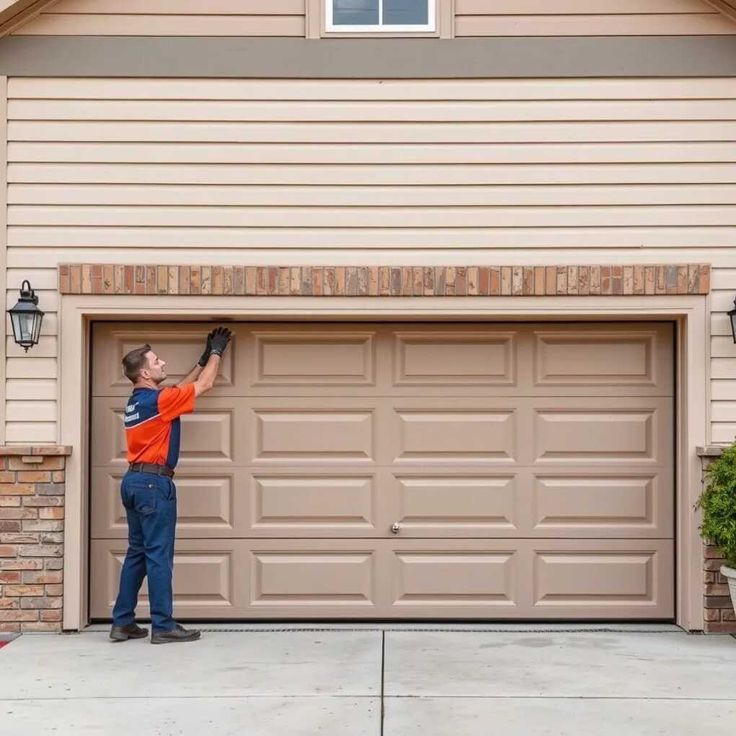
Why California Makes Garage Door Maintenance Non‑Negotiable
So why do our microclimates make upkeep essential? Coastal salt air and fog attack steel; valley heat and dust dry seals; mountain mornings freeze weatherstripping. We open/close doors 6–12 times a day in car-centric California, so parts rack up cycles fast. Add curb appeal expectations and safety in outages, and small issues turn big quickly. California now requires battery‑backup openers after wildfire evacuations (verify statute)—so readiness is part of maintenance, not optional.
In plain English: California’s environment is harder on doors, and our laws expect you to keep them safe. Salt (sodium chloride, the same stuff on ocean mist) accelerates rust. UV and heat cook lubricants. High winds shake hardware loose. And new openers must include a battery backup (SB‑969, 2018—verify current statute citation) so you can exit during Public Safety Power Shutoffs (PSPS, planned fire‑weather outages). Preventive care is how you stay compliant, quiet, and safe.
Here’s the short version of why California garage doors need special attention—then we’ll show you the plan.
- High cycle counts from daily commuting culture
- Salt air and coastal fog accelerating corrosion
- Heat, dust, and wildfire ash stressing components
- State safety expectations (battery-backup openers)
What Skipping Maintenance Really Costs in California
Skip tune-ups and the weak link shows up when you need the door most. Worn springs (the counterbalance coils that lift the door) snap, frayed cables unravel, and misaligned tracks pinch a panel until the opener stalls. Dirty photo‑eyes (the safety sensors near the floor) misread fog or sun glare and trap a car inside. During PSPS (Public Safety Power Shutoffs, planned fire‑weather outages) or a Sierra snow morning, that can strand your family and block emergency egress. Then comes the emergency bill.
On busy Bay Area schedules, a door cycles thousands of times a year. A little grinding becomes heat, heat warps rollers, and the opener cranks harder until gears wear out. Now you’re replacing panels and a motor instead of tightening hardware and lubricating hinges. Add security risk: a door that won’t close invites late‑night garage theft. All of it was preventable with a 30–45 minute maintenance visit. The longer you wait, the more parts fail together—and the invoice climbs.
So what does that actually cost in California? Here are the hidden hits we help homeowners avoid.
- After-hours emergency service premiums
- Collateral damage to panels/opener from misalignment
- Increased burglary risk if doors won’t close
- Car damage from free-falling doors or broken springs
- Lost work hours and missed appointments
Why Small Issues Snowball Faster Here
Salt air pits steel like tiny cavities; once the surface is rough, moisture sticks and rust accelerates. Inland heat thins and bakes lubricants, so metal runs dry by August. Ash and grit from wildfire season ride the breeze, fouling rollers and photo‑eyes, while Santa Ana winds shake fasteners loose. Miss a tune‑up and the door gets louder—some HOAs (homeowners associations) even fine for nuisance noise. After big storms, parts go on backorder, and lead times jump from two days to two weeks.
Remember that stalled opener in the morning rush? Add heat‑soaked electronics and sun‑blinded sensors, and you’ve got intermittent failures that are hard to trace until they become total shutdowns. Every extra pound of friction forces the motor to work harder, which shortens lifespan and raises the risk of a door slamming shut. That’s a safety issue, not just convenience. Routine adjustments and fresh lubricant break this cycle early, before you’re stuck during a PSPS evening or a January storm.
Spot these early and you’ll save hundreds and avoid downtime. We flag them on every service call—do a quick self-check when you notice any of the following.
- Door hesitates or jerks mid-travel
- Opener strains, vibrates, or runs louder
- Photo-eye sensor misfires in bright sun
- Weatherstrip cracked, daylight visible at bottom
What Our California Tune-Up Covers
Our job is to restore safe balance, reduce friction, calibrate limits and force, verify every safety system, and extend your door’s lifespan. We do it with certified technicians who follow strict spring and high‑tension protocols—no guesswork, no shortcuts. You get a door that opens smoothly, stops safely, and stays quiet through heat, fog, and wind.
Here’s the pro checklist we run in California homes—thorough inspections, precise adjustments, targeted lubrication, careful cleaning, and multiple safety tests.
- Torsion/extension spring inspection and balance test
- Cable fray check and drum/anchor integrity
- Roller condition, axle wear, and smooth travel
- Track alignment, fastener torque, and plumb/square
- Hinge pins/bolts wear and panel integrity
- Opener force/limit recalibration and chain/belt tension
- Photo-eye alignment, obstruction tests, and sun-shielding
- Weatherseal/threshold condition and energy loss points
- Lubrication with climate-appropriate products
- Battery-backup test and firmware/smart features update
Not sure which approach fits your household? This quick comparison shows the tradeoffs between waiting for breakdowns, doing DIY-only upkeep, and joining a yearly professional plan.
| Approach | 5-Year Cost (est.) | Downtime | Safety Risk | Noise/Efficiency | Best For |
|---|---|---|---|---|---|
| Reactive repairs | Highest (multiple emergencies + collateral damage) | Unpredictable, often worst-time failures | Elevated risk until repaired | Loud, inefficient operation persists | Only for rare-use doors |
| DIY-only upkeep | Low to moderate (tools/time) | Occasional disruptions from missed issues | Moderate due to missed high-tension items | Some improvement, inconsistent | Handy owners with light use |
| Pro annual plan | Predictable, lowest total cost | Scheduled, brief | Lowest—issues caught early | Quietest, most efficient | Busy California households |
A Seasonal Plan for Busy California Households
Busy schedule? Here’s your California garage door maintenance checklist—homeowner tasks only, no high‑tension spring work. Use it in 15–20 minutes per season, then book our California Tune‑Up for the pro items—usually same‑week.
- Spring: Clean tracks and rollers (dry wipe), check weatherstripping, wash the door, test photo-eyes, and schedule your annual pro tune‑up before heat waves.
- Summer: Lubricate hinges and metal rollers with heat‑stable white lithium, add silicone to seals, shade sensors, and watch for thermal expansion causing track rub or misalignment.
- Fall: Clear wildfire ash and debris, re‑check balance only (no spring adjustments), replace cracked bottom seals, and seal gaps before the first heavy rains.
- Winter: Test opener battery‑backup health monthly, clear condensation or ice in mountain areas, and practice the manual release so everyone can lift the door safely during outages.
💡
Pro Tip
SoCal: Santa Ana winds drive sand into tracks—vacuum and check fasteners after gusty days. NorCal coast: use anti‑corrosion lube on hardware and spot‑treat rust early. Next, see real California results from this routine.
California Tune-Up Results, At A Glance
As promised, here are real California results from that routine—condensed, anonymized snapshots from our jobs. City, issue, our fix, and the payoff: downtime avoided, failures prevented, or dollars saved. Once function is dialed, we’ll show how maintenance supports curb appeal in classic California styles.
- San Jose: Recalibrated smart opener limits and balanced torsion springs; prevented a 7:30 a.m. jam. Saved a $600 emergency call and 2 hours of commute delay.
- Sacramento: Replaced frayed lift cables and realigned tracks during annual check; door ran 9–12 dB quieter and removed risk of cable snap near vehicles and kids.
- San Diego: Stainless fasteners, anti-corrosion coating, and rinse schedule extended hardware life 2+ years; deferred a $350–$500 hinge/roller replacement and kept noise down 60%.
Victorian Homes in Preservation Districts: Curb Appeal That Lasts
After cutting corrosion and 60% of the noise in San Diego, that same hush-and-protection is crucial on San Francisco Painted Ladies and Old Sacramento blocks. We keep wood overlays from swelling with maintained paint and sealed edges, realign carriage‑style panels so shadow lines stay crisp, and swap rust‑prone screws for stainless. Decorative hardware gets quiet lube; window lites (small glass panes) get streak‑free care. Inside, we hide belt‑drive openers and discreet smart tech to preserve the facade. Explore our Garage Doors for Victorian-Style Homes guidance.
Quiet, Balanced Craftsman Doors in Pasadena and Berkeley
From Victorian facades, we move to Craftsman porches in Pasadena and Berkeley. Stained wood needs UV-resistant topcoats and a quick seasonal wipe; we seal edges to prevent warping. We keep carriage-style strap hinges and handles clean and lubricated, and polish window lites without streaks. Our tune-ups balance heavy wood slabs, dial opener force, and quiet belt drives so shared walls stay peaceful. Explore our Garage Doors for Craftsman-Style Homes guide for style-safe upgrades. Next, we’ll keep those clean-line modern and farmhouse doors flawless.
Modern Farmhouse and Contemporary: Quiet, Flawless Doors
About those clean-line modern and farmhouse doors—keeping them flawless starts with smooth, silent travel. For full-view glass, we use non‑abrasive cleaner and microfiber, then check glazing seals (rubber that cushions glass) so panes don’t rattle in wind. Flush panels and minimalist black hardware stay crisp when you avoid harsh cleaners, tighten concealed fasteners, and lube hinges/nylon rollers—most homes see an 8–12 dB noise drop. We also inspect bottom gaskets for tight, quiet closes. For style picks and specs, see modern farmhouse guide. Next up: smart, safe upgrades.
Wi‑Fi Control, Cameras, and Battery‑Backup Safety for California Homes
You wanted smart, safe upgrades—so let’s add control and resilience. Wi‑Fi openers let you check and close the door from Tahoe weekends, school pickups, or delivery windows, and record activity. During PSPS (Public Safety Power Shutoffs—planned fire‑weather outages), battery backup keeps the door moving and keeps you compliant. If you’re comparing models, our Wi‑Fi‑enabled garage door openers guide breaks down apps, cameras, and geofencing in plain English.
Here are the practical wins our California families use daily—built into today’s smart openers. Then, watch for early warning signals—we’ll show you the big ones next.
- Remote status checks and alerts on wildfire/PSPS days
- Guest access for sitters and contractors without sharing remotes
- In-app maintenance reminders based on cycle counts
- Package delivery coordination into garages
- Battery-backup compliance and safer egress
Warning Signs and Quick Checks
That battery‑backed, safer egress only works if you catch issues early. Blinking opener lights, a door that reverses, or new grinding noises are diagnostic clues—not random annoyances. If your light is flashing, our opener flashing guide translates blink patterns into likely causes and simple fixes.
Watch for these signals, try the safe checks, and call us if they persist—next we’ll show what’s DIY vs pro.
- Sign: Loud grinding: Inspect rollers and tracks for debris, wipe clean, then lubricate metal rollers/hinges with white‑lithium; avoid oil on tracks.
- Sign: Door drifts open/closed: Perform a balance test; if it won’t hold halfway, stop and book a pro spring evaluation.
- Sign: Opener light blinks: Clean and align photo‑eyes (safety sensors), remove obstructions, and check blink codes using the opener flashing guide above.
- Sign: Uneven travel: Check tracks are vertical with a level, tighten loose brackets and lag screws; stop if tracks are bent.
- Sign: Daylight under door: Replace the bottom seal/threshold to improve energy efficiency and keep out water, smoke, and pests.
DIY vs. Pro: Your Safe Line for Garage Doors
If you’re seeing daylight under the door, yes—you can handle that bottom seal and a quick clean after dust or ash. But springs and lift cables are high‑tension parts that can whip or crush when mishandled. That’s pro territory. Here’s how we draw the line so you stay safe—and how pro work protects warranties, insurance claims, and California compliance.
Start here—five quick, do‑it‑yourself (DIY) tasks you can knock out in 15 minutes.
- Wipe tracks (no bending), clear debris
- Test photo-eyes monthly with obstruction
- Inspect/weatherstrip and replace bottom seal
- Tighten accessible hinge/track fasteners
- Lubricate rollers/hinges with proper product
And these are pro-only. They involve high tension or heavy panels, specialized tools, and documentation that helps with warranties, insurance, and code compliance in California.
- Spring replacement or tensioning
- Cable/drum re-stringing and anchoring
- Opener force/limit recalibration under load
- Panel realignment on heavy wood/glass doors
⚠️
Safety Warning
Never loosen set screws on springs or drums without proper training/tools.
Protect Warranties, Claims, and California Compliance
And there’s another reason to leave those set screws alone: your warranty and insurance. Manufacturers often require documented maintenance—dates, lubricants used, safety tests—to keep parts covered for 1–5 years. After a storm, insurers ask for proof you maintained springs, cables, and sensors; clean records shorten claim reviews from weeks to days. In California, new opener installs must include battery backup (SB‑969, 2018—battery that runs during outages). We’re not giving legal advice; we document everything and verify permitting and code notes with your local AHJ (Authority Having Jurisdiction).
What does that look like for you in practice? If we replace an opener, some cities want an electrical permit; full door swaps can trigger wind-load or seismic anchoring checks. We confirm requirements with the AHJ before work, then leave you with invoices, photos, and settings logs. Example: a wildfire smoke claim in Santa Rosa cleared in 6 days because the homeowner had dated maintenance and a battery‑backup test on file. HOAs (homeowners associations) also care—quiet limits and approved finishes—our reports help. Got questions? Our FAQs are next.
🗂️
Compliance Tip
Keep dated invoices, technician notes, and before/after photos in one folder; they speed insurance claims, support warranties, and boost resale confidence.
California Garage Door FAQs
Since you’re keeping invoices, notes, and photos together, here are the quick answers Californians ask next. City rules and HOA (homeowners association) guidelines vary; we’ll confirm specifics for your address during booking.
- How often in California?: Book a professional tune-up once a year or about every 10,000 cycles; in between, do seasonal homeowner checks for sensor cleaning, lubrication, weatherstripping, and tightening accessible hardware.
- What does a tune-up include?: Springs and cables inspection, rollers and hinges check, track alignment and fastener torque, photo-eye sensor tests, climate-appropriate lubrication, opener force/limit calibration, and seal/weatherstrip assessment with battery-backup verification.
- What’s the cost range?: California tune-ups start at $149–$229 per door; parts or repairs are separate. Pricing varies by door size, condition, number of doors, and travel distance.
- Is battery backup required?: Yes—new opener installations in California must include battery backup; verify local codes and HOA rules. It lets you open/close during outages and PSPS (planned fire-weather shutoffs), improving safety and compliance.
- Do you service my city?: Yes—San Francisco Bay Area (Peninsula, East/South/North Bay), Sacramento region, Los Angeles/Orange County, Inland Empire, and San Diego. Same-day or next-day windows in most neighborhoods.
Book Your California Tune-Up Today
You just saw we offer same-day or next-day windows. Ready to lock yours in? We hold slots across the Bay Area, Sacramento, LA/OC, San Diego, and Fresno. Prefer a quick tap-to-call or text, or want to book online in 60 seconds? Your choice—either way, a licensed tech confirms your time and arrives with a stocked van.Schedule Your Tune-Up
📞
Contact Options
Call or text us, or use the quick form. Licensed, insured techs. Stocked vans solve most issues in one visit.
Stuck garage door, packed California morning. Now what?
Oakland school run, coffee half sipped, you tap the remote and… nothing. You try the wall button, still stuck. Traffic’s already a parking lot by 7:30, and the late drop-off fee clocks in at $25. Your car’s trapped, the driveway’s blocked, and the street sweeper is coming. We see this every week in California’s garage-centered homes. One minute it hums; the next it refuses to budge. You need answers fast. And a safe fix that doesn’t turn into an all-day saga.
Or it’s an LA commute day—garage opens halfway, grinds, and slams back down. In the Inland Empire heat, the opener’s been noisy for months; today it won’t close, leaving your home exposed. Up north, Bay Area drizzle fogs the safety sensors, and the door keeps reversing with bikes in the way. At Go Pro Garage, we handle this across coastal, valley, and mountain neighborhoods—licensed, insured, and multi-brand. Call us and we’ll triage by phone, then aim for same-day or next-day so you’re rolling again.
Why do openers fail here so often, and how do you catch the early warnings? We’ll show you the California-specific causes, the 9 signs to watch, and the safest next step.
Why California beats up garage door openers
You asked why openers fail here so often—California throws extra curveballs. Coastal salt air corrodes rails, hinges, and sensor brackets within a season. Central Valley heat bakes plastic housings and stresses circuit boards. Mountain cold thickens lubricant, so motors strain at dawn. Add seismic vibrations that nudge tracks out of alignment, plus dust and wildfire ash that blind photo-eyes (the safety sensors). Then there are PSPS (Public Safety Power Shutoff) events and quick power returns that spike voltage, cooking delicate boards and capacitors.
That mix means maintenance intervals aren’t one-size-fits-all. On the coast, a light lube and sensor cleaning every 3 months beats corrosion. Inland, plan biannual lubrication with a non-gumming, garage-safe grease and monthly dusting of sensors. In colder elevations, we swap to silicone-based lubricant (stays fluid in low temps) and recalibrate force/limits after freezes. Across regions, sensor reliability matters most: clean lenses, snug brackets, and good wiring keep doors closing smoothly, while fresh lube prevents strain and noise.
Two rules drive safety here. UL 325 (national garage-door safety standard) requires photo-eye sensors that auto-reverse when the beam is blocked. California SB-969 (state law) mandates battery backup on any new opener installed after 7/1/2019. Replacements can trigger HOA (homeowners association) noise/appearance rules and, in some cities, simple permits. We guide you through all of it.
Ready to spot trouble early? Next, we’ll decode nine California-common warning signs and the safe first steps.
9 signs your opener needs repair, with quick next steps
These patterns show up in most California calls we run. For each one, try a safe step first—then call us if it persists.
Sign 1: Motor keeps running after the door stops. Unplug for 60 seconds, replug, and check travel/force limits. Likely limit switch or logic board fault.
Sign 2: Door reverses at the floor or before closing. Gently clean and realign the photo-eyes; remove debris or track obstructions and retest.
Sign 3: Moves partway, then stalls. Pull the red release, test door balance by hand, and look for binding. Could be weak spring or mis-set travel limits.
Sign 4: Randomly opens or closes. Clear and reprogram remotes, check for a stuck wall button, and consider RF (radio frequency) interference or a failing board.
Sign 5: After storm or outage, nothing works. Check the GFCI (ground-fault outlet) and any surge protector. Suspect a fried logic board or start capacitor.
Sign 6: Chain or belt sagging, grinding, or jerky. Inspect for slack, worn sprockets, or rail damage—do not over-tighten; that masks deeper issues.
Sign 7: Wall button and remotes dead. Replace remote batteries, verify lock/vacation mode isn’t on, then suspect wall-wire breaks or a bad receiver.
Sign 8: Opener lights blinking repeatedly. Confirm sensor LEDs are solid and aligned; if unsure, see our opener lights blinking guide for meanings.
Sign 9: Humming motor, no movement. Disconnect the door to isolate a seized trolley or stripped gear. Stop running it to avoid burning the motor.
In Sign 8, we included a single internal link to Garage Door Opener Flashing: causes & fixes—look for opener lights blinking and follow it only once on this page.
Why waiting makes opener problems worse here
Delays raise real safety stakes. If springs are involved, a heavy door can freefall and crush a bumper—or worse. Bypassing sensors puts kids and pets at risk. Leaving doors open invites HOA violations and fines. During wildfire smoke or PSPS (planned power shutoffs), no battery backup means you can’t leave fast or secure the home. Small warning signs turn into stuck doors at the worst time.
There’s also security and weather to consider. A door that won’t close invites theft, water intrusion during coastal storms, and wind-blown debris. If someone is injured because a safety feature was bypassed, liability shifts your way. We keep urgency high, but calm: stop forcing it, and we’ll get you a safe path forward.
Electronics hate indecision. Repeated surges and a humming motor strain capacitors and logic boards, turning a simple limit or sensor fix into a motor or opener replacement—faster in salty coastal air or Central Valley heat. Early intervention saves hardware and money.
Before scheduling, here’s a safe same-day checklist to rule out simple issues without risking injury or voiding warranties.
Safe checks today—and what not to touch
These steps are safe for most California homes and typically won’t void warranties. If anything feels risky, stop and call.
- Check: Vacation/lock button on the wall console isn’t enabled.
- Clean: Photo eyes with a microfiber cloth; confirm LEDs are solid and aligned.
- Replace: Remote batteries; reprogram per the manual if buttons still lag.
- Test: GFCI/outlet for power; try a different outlet to confirm supply.
- Inspect: Obvious track obstructions or bent rollers; do not remove springs.
- Reset: Unplug 60 seconds, replug, then test and reset travel limits.
- Verify: Wi‑Fi/app status and home router signal after outages.
Do not DIY: springs, high‑tension cables, opener internal gears/capacitors, or rail disassembly. These carry serious injury risk and can worsen damage.
Our California opener repair framework
We offer same-day or next-day windows with stocked trucks, then deliver code-aware repairs and quiet performance. Our diagnostics end with clear options, and we test every safety feature to UL 325 and verify SB‑969 battery backup compliance. You get safe, reliable, California-ready operation.
| Step | Focus in California | What We Test/Adjust | Benefit to You |
|---|---|---|---|
| Step 1: Safety and power baseline | Safety + Power for PSPS and surges | Photo eyes, GFCI, surge damage, battery backup unit | Restored safe operation and power resilience |
| Step 2: Mechanical alignment and balance | Mechanics across heat, salt, and vibration | Springs, rollers, rail, trolley engagement | Smooth, quiet travel without strain |
| Step 3: Controls and connectivity | Controls in crowded wireless environments | Remotes, wall console, RF noise, Wi‑Fi signal | Reliable, secure access every time |
| Step 4: Electronics and motor health | Electronics stressed by heat and surges | Logic board, capacitor, motor current draw | Prevents repeat failures and callbacks |
| Step 5: Compliance and safety calibration | Compliance for SB‑969 and UL 325 | Battery backup present, forces within spec | Code‑ready, family‑safe, HOA friendly |
Book a quick diagnostic today—we’ll confirm the issue, share a transparent estimate, and back approved parts with a solid warranty.
Real California fixes: three mini cases
These quick snapshots show how we solve common failures across coastal, inland, and urban garages—fast, safe, and compliant.
- San Jose: After a new dual‑band router, remotes were unreliable. We reprogrammed remotes, changed codes, moved the antenna, and added surge protection—fixed in one visit.
- Sacramento: Post‑PSPS (power shutoff) hum with no lift. We replaced the start capacitor, reset travel/force, and tested battery backup—back online in 90 minutes.
- Santa Monica: Reversing at the floor from corroded sensor brackets. We cleaned lenses, replaced brackets, tightened wiring, and tuned force settings—quiet, compliant close.
Repair or replace your opener in California?
That quiet, compliant close is the goal—now, should you repair or replace? This guide weighs age, safety sensors, parts availability, and outage readiness for California homes, so you can choose confidently and avoid surprises on timing and budget.
| Scenario | Likely Path | Typical Turnaround | Why (California) |
|---|---|---|---|
| Under 10 years old, photo eyes (safety sensors) aligned, sudden failure after outage or bump. | Repair: diagnose sensors, limits, or gears; keep your existing unit. | Same day to 2 days, parts on truck. | Parts available; fix protects investment and avoids unnecessary replacement. |
| 15–20+ years old, discontinued model or noisy chain drive. | Replace: modern belt drive with battery backup. | 1–3 days, removal and install scheduled. | Parts scarce; higher energy use and safety lag in attached homes. |
| Pre-1993 opener or missing photo eyes (safety sensors). | Replace: upgrade to UL 325 (national safety) compliant system. | 1–3 days, permit guidance if needed. | Safety noncompliant; must upgrade to protect people and meet standards. |
| Installed after 2019 but no battery backup present. | Replace/Upgrade: add integrated battery backup or compliant opener. | 1–3 days, install and test backup operation during outages. | SB‑969 (state battery backup law) compliance and outage resilience. |
If you’re upgrading, today’s belt drives are whisper‑quiet, add smartphone control and optional camera, and include required battery backup—perfect for attached garages and for PSPS (Public Safety Power Shutoff) days. Your house sleeps, your door still works.
Want details before you choose? See our smart, Wi‑Fi‑enabled openers guide to compare range, security, and cameras.
Match your opener to your home’s style
In attached garages and ADUs (accessory dwelling units), quiet drive types and insulated doors protect sleep, energy, and HOA (homeowners association) harmony. Heritage homes in San Francisco (SF), Pasadena, and Napa benefit from unobtrusive, vibration‑isolated openers that respect trim, plaster, and original wood.
- Victorian: For SF Painted Ladies, choose ultra‑quiet belt drives and tasteful hardware; see our Victorian garage door ideas for trim‑friendly designs.
- Modern Farmhouse: Get carriage‑style looks with quiet, battery‑backed tech; compare options in our Modern Farmhouse guide.
- Craftsman: Heavier wood panels need strong, quiet openers; explore compatible garage doors and drive choices that keep the bungalow vibe.
California Garage Door Opener Repair FAQs
Choosing the right opener for a Craftsman or modern build is step one; next, here are the quick answers California homeowners ask us before they book.
- Most repairs land $175–$450 total after diagnostic credit; sensors/alignment are lowest, gear or capacitor mid, logic board highest. Brand and parts availability matter. After-hours emergencies add a surcharge; we quote upfront before work.
- Yes—many zip codes get same‑day or next‑day. We offer 2–3 hour arrival windows with text updates. Traffic and parts stock vary by area; mark ‘stuck door’ for priority. Rural or mountain routes may shift to the first window tomorrow.
- SB‑969 is California’s battery‑backup law: any opener installed after July 1, 2019 must include a working backup battery. You don’t have to retrofit older units, but adding backup improves safety and PSPS (Public Safety Power Shutoff) resilience.
- Often yes—we reprogram compatible remotes and keypads during service. If your opener uses older fixed‑code remotes or mismatched frequencies, we pair a universal receiver or suggest new accessories that meet today’s rolling‑code (changing signal every press) security.
- Yes—after diagnosis, we share an upfront quote and stand behind approved repairs with a standard parts-and-labor warranty period. Manufacturer parts carry their own terms; we document both on your invoice and explain what’s covered before we start.
- We test power at the outlet and GFCI (ground‑fault circuit interrupter), inspect the logic board and start capacitor, then quote repair or replacement. We also recommend surge protection—either an inline opener protector or a whole‑home device—to reduce future failures.
- We serve Sacramento, the Bay Area (San Francisco, East Bay, South Bay), Los Angeles, Orange County, and San Diego. Nearby communities along those corridors are covered too—ask when you call with your ZIP.
- Most repairs finish in 60–120 minutes: sensor alignment or limit recalibration 45–75, gear or capacitor 60–90, logic board 60–120. Full opener replacement with battery backup usually takes 2–3 hours including removal, setup, and safety testing.
Book Your California Opener Repair Today
Ready for that 60–120 minute fix—or a 2–3 hour replacement if needed? Book now and we’ll route a CSLB‑licensed (state contractor license) and insured tech for same‑day or next‑day in many California ZIPs. We’ll perform UL 325 (national safety standard) checks, verify SB‑969 (battery‑backup law) compliance, and give an estimate before work. You’ll get an arrival window, text updates, cleanup, and warranty. Car trapped? Select “stuck door” for priority.Call NowSchedule Online
Stay Compliant, Safe, and Whisper‑Quiet
Scheduled online? Great—here’s how to keep things compliant and quiet between tune‑ups. Once a month, wipe and aim the photo eyes (the safety sensors) and run the 2×4 test to confirm auto‑reverse. After outages, check the battery backup; SB‑969 (California’s battery‑backup law) means new installs must have one—press the button or unplug briefly to verify a smooth cycle. Want less noise in attached garages or an ADU (accessory dwelling unit)? Consider a belt‑drive with vibration isolation and LED (light‑emitting diode) bulbs that don’t cause interference.
 French
  English